Notes are being written
The board questions below are real and complete — they come from the CBSE papers themselves. The written notes for this topic are still being prepared.
Board questions on this topic
2 from the CBSE papers we hold — the exact wording the board used.
2025MCQ·1 mark·Q5
Reaction between two elements A and B, forms a compound C. A loses electrons and B gains electrons. Which one of the following properties will not be shown by compound C ?
- (a) It has high melting point.
- (b) It is highly soluble in water.
- (c) It has weak electrostatic forces of attraction between its oppositely charged ions.
- (d) It conducts electricity in its molten state or aqueous solution.
2025MCQ·1 mark·Q7
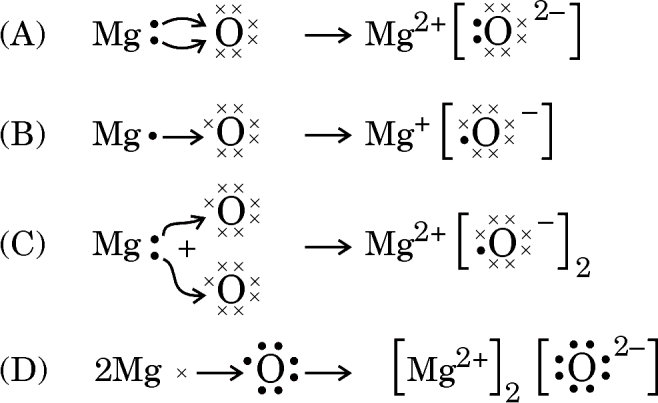
The formation of magnesium oxide is correctly shown in option : (four options (A)-(D) each showing an electron-dot / Lewis structure representation of Mg reacting with O to form Mg^2+ and oxide ion - see figure).